How to Buy Land in Installments in Nigeria (Without Paying All at Once)
Most Nigerians want to own land but can’t pay the full price upfront. Here’s how buying property in installments works, what documents to check before you pay, and how to start owning from as little as ₦10,000.
Ask most Nigerians if they want to own land and the answer is yes. Ask them why they haven’t bought yet and you’ll hear the same thing: “I don’t have the full money.”
It makes sense. Most estate plots in the South West sell for somewhere between ₦800,000 and ₦3 million. For a salary earner, a trader or a young professional, that’s not money you pull out of one account in one go. So people save, the price goes up, they save some more, and ownership keeps moving further away.
The good news is that you don’t have to pay all at once anymore. Here’s how buying land in installments works in Nigeria, what can go wrong, and how to do it safely.
The old way: developer payment plans
Installment buying isn’t new. Many real estate companies already offer payment plans where you pay a deposit and spread the balance over six, twelve or eighteen months.
These plans help, but they come with problems many buyers only discover later:
- The deposit is still high. Some plans ask for 30% to 50% upfront.
- Your payment history lives in someone else’s files. If a receipt gets lost or a staff member leaves, proving what you’ve paid can become a headache.
- Default terms can be harsh. Miss a few payments and you could lose what you’ve already paid.
- Verification is on you. You’re trusting that the land is genuine, free of disputes and not sold to two people.
That last point is where many Nigerians have been burned. Land fraud and double allocation are real, and they hurt most when you’ve been paying faithfully for months.
A better way: owning property piece by piece
Newer platforms let you buy property in small portions instead of committing to one big payment plan. Think of it like this: instead of a single ₦2 million purchase, the property is broken into smaller units you can buy as your money comes in.
On NairaPacket, built on AtomAfrica infrastructure, these units are called Packets, and you can start from ₦10,000. Every payment is recorded on your ownership ledger, so you always know exactly how much of the property you own. When you reach 100%, you receive a physical Deed of Assignment.
This approach changes a few things:
- You can start small. No large deposit standing between you and your first step.
- You pay at your own pace. Weekly, monthly, or whenever you have extra cash.
- Your progress is always visible. Your ownership record is digital and doesn’t depend on a paper receipt.
- What you’ve paid stays yours. Each payment adds to your stake in the property.
Buying together: groups, Ajo and cooperatives
Lots of Nigerians already save in groups. Ajo, Esusu, thrift groups and workplace cooperatives move serious money every month. The problem is that the money often comes out as cash and gets spent.
With group ownership, members can keep contributing together while each person builds their own individual ownership. Each member chooses their own property, and each person’s stake is recorded in their name. The group gives you discipline. The ownership stays personal.
Employers, cooperatives and institutions can also run structured monthly ownership programmes for their members or staff, so a part of every salary goes into property instead of disappearing.
What to check before you pay anything
Whatever route you choose, never skip verification. Before paying for any land, in installments or in full, make sure you can see:
- Title documents for the estate. Ask what title the land carries and request copies.
- A lawyer’s verification. An independent lawyer should confirm the land is genuine and free of disputes.
- A non‑encumbrance confirmation. This shows the land isn’t pledged to a bank or tied up elsewhere.
- A clear allocation agreement. You should know exactly which plot or portion is yours.
- A record of every payment. Digital is best, because it can’t be misplaced.
NairaPacket only lists land from real estate companies it has verified, currently in Ibadan, Akure, Ado‑Ekiti and Abeokuta. It doesn’t own or sell its own land. Each listed property comes with title documents, a lawyer verification letter, a non‑encumbrance undertaking and the allocation agreements behind it.
What else your ownership can do for you
Owning property gradually isn’t only about the day you get your deed. A recorded ownership stake can be useful along the way.
Depending on the property and the platform, owners can resell or transfer their stake to another buyer within the network, or use it to request credit from participating lenders. In some cases, a participating bank can finance part of a purchase, with the customer repaying the bank over time. The bank makes its own decision on every request, but having verified, recorded ownership puts you in a much stronger position to ask.
This is the bigger idea behind what we’re building at AtomAfrica: connecting everyday banking, real property ownership and access to credit, so the money Nigerians already save can turn into assets that work for them.
Start where you are
You don’t need ₦2 million today to start owning land. You need a verified property, a safe way to pay, and a clear record of what’s yours.
Start small, check the documents, and keep going. Every payment moves you closer to a deed with your name on it.
Ready to start? Explore verified properties on NairaPacket and begin your ownership journey from ₦10,000.
More on Economic Ownership
Economic Ownership From Ajo to Ownership: How to Turn Your Contribution Savings Into Property
Millions of Nigerians contribute to Ajo, Esusu and cooperatives every month, yet very few end up owning anything from it. Here’s how your group savings can turn into real property, without giving up the system you already trust.
 Economic Ownership
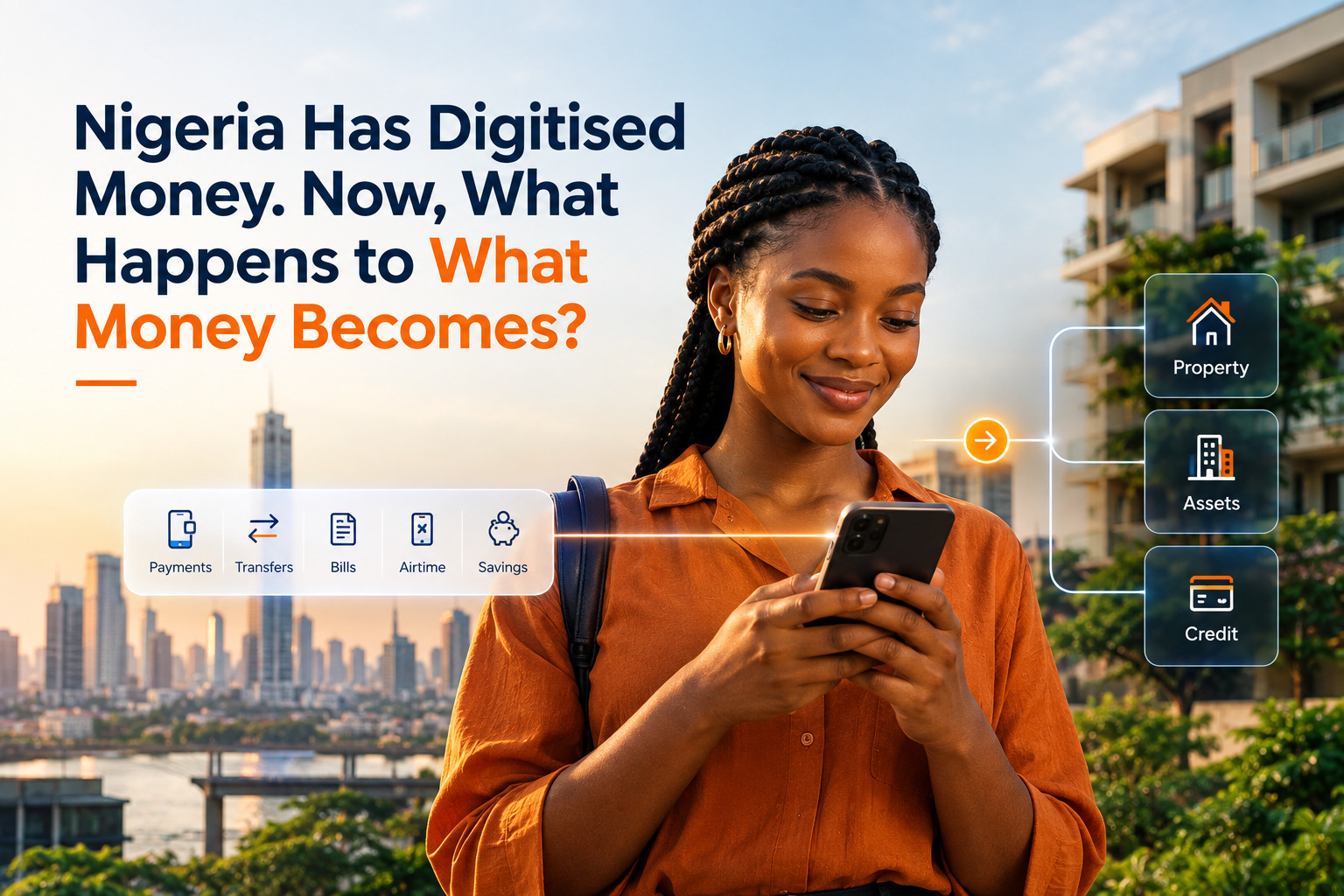
Nigeria Has Digitised Money. Now, What Happens to What Money Becomes?
Nigeria has built powerful digital rails for moving money, with fintech apps now reaching most smartphone users. The next opportunity is connecting those financial rails to what people own: property, assets and eventually access to credit.
 Economic Ownership
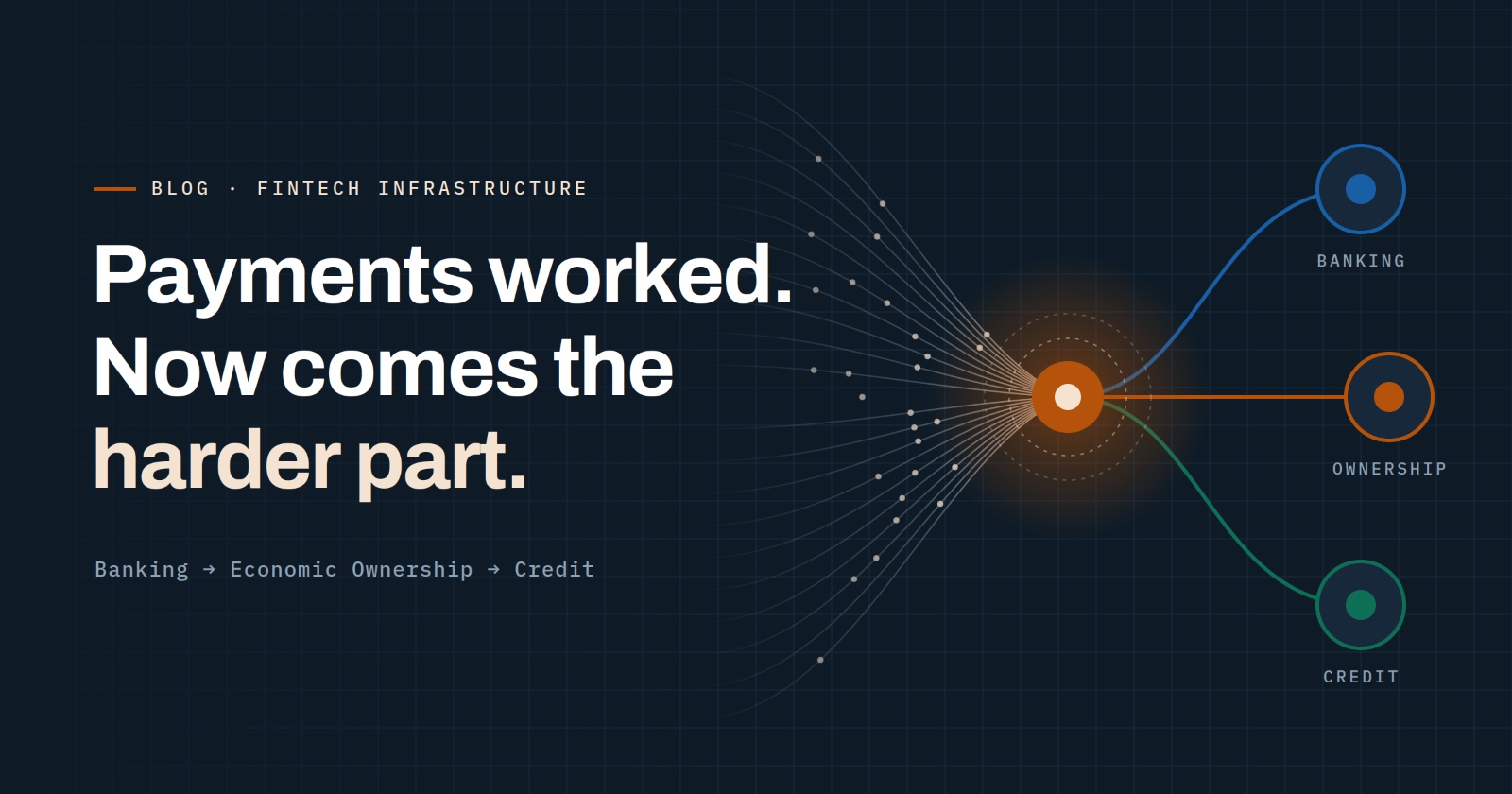
Payments Worked. Now What? Fintech as Economic Infrastructure | AtomAfrica
AtomAfrica founder Oladipupo Muideen Olaide on why Nigerian fintech must move beyond payments, and what it takes to turn transactions into ownership and credit.